The punch list is the part people skip
An inspection report is not a to-do list. Somebody has to separate what genuinely needs fixing from what is just the inspector being thorough.
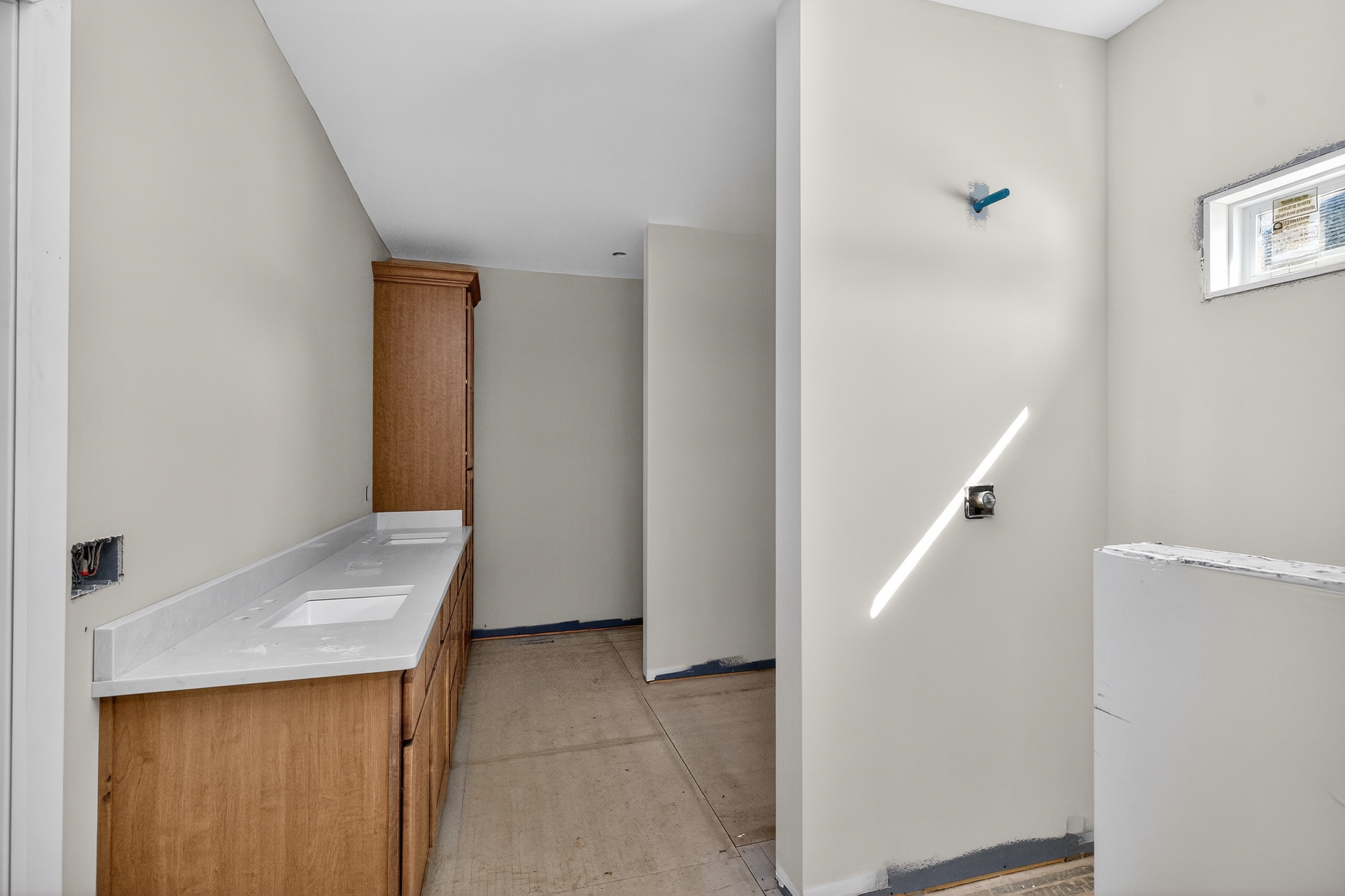
An inspection report on a new build runs to dozens of items. Some of them are real. Some are the inspector noting a thing that is entirely normal, because noting things is the job.
Nobody hands you a translation. That is the work.
How I usually do it
The builder and I walk the house together with the report open, line by line.
That walk is the whole method, and it is not really about finding defects. It is about context. Standing in the room, the builder can tell me a thing is how the system is meant to look, and I can tell him a thing the buyers have already mentioned twice. Between us we sort the list into what genuinely needs addressing and what is informational.
You cannot do that from a PDF. On one house we could not get to the property together and had to work off the report alone, and the difference was obvious immediately. Everything stayed on the list because nothing could be ruled out with confidence. That is not a disaster, but it is a longer list and a slower conversation, and some of it gets relitigated later.
Then it goes to the builder before anyone else
I write the list, send it to him, and ask him to read the inspection report again before he signs off, in case something should be on there that I missed. Everyone has read that report once, in a week when they were reading a lot of things.
Only after he has approved it does it go to the agent on the other side. That ordering matters. It gives him room to fix items rather than defend them, and it means the walk-through is a check against an agreed document instead of an argument about memory.
I also tell him what is likely coming. If I think the other side will raise items that did not make the list, I say so in advance, so it does not catch him off guard. A builder who has been warned is a builder who solves the problem. A builder who is ambushed in front of a buyer is a builder who digs in.
Small does not mean unimportant
The item people leave off is the one they feel silly raising. A door that sticks. A run of caulk that stops short of the corner. A cabinet hanging proud of the one beside it.
Put it on the list. Every build has a punch list and nobody thinks less of you for using the mechanism as intended. A builder would rather see fifteen small items in writing than have you quietly unhappy about three of them for a year.
Before closing it is leverage. After, it is a favor.
The builders I work with around Richmond generally honor the list either way. But you are moving from a position where the money has not changed hands to one where it has, and there is no version of that trade that runs in your favor. Get the list written, get it acknowledged in writing, and get as much of it done before closing as the schedule allows.
The one nobody uses
Most builder warranties run a year, and almost nobody calls in month eleven.
Put a reminder in your phone. Walk the house the way we walked it at the punch list, except now you have lived in it and you know which door sticks in August and which window sweats in January. Then send that list too.
You paid for the year. Use the year.
Written by Kennedy Konshak. Ask me about any of this.